


Municipal solid waste management: trash to biomass treasure
Wednesday,
Nov 05
Nov 05
Biodiesel is the other commonly known biofuel and is very environmentally friendly and offers many benefits over regular diesel. Biodiesel is created from soybeans and other oily plant materials. Biodiesel can be mixed with regular diesel or used alone in engines. The carbon emissions for this fuel are significantly less than for traditional diesel fuel. Biodiesel is produced from animal fats and plant oils that are chemically changed. Vegetable oils that are used for cooking can also be used to create biodiesel for your car or truck. There is a process called thermal depolymerization, which takes wastes and separates them into all the included molecules. The end result is clean water, oil that is high quality, and minerals in their pure form. This process uses pressure and heat, similar to the natural process that the earth uses, only the end products are much cleaner than fossil fuels.
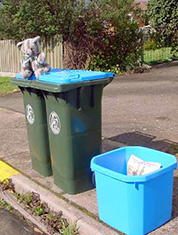
Biofuels start with organic waste products. These waste products are processed to produce cellulosic ethanol and biodiesel, which can substitute gasoline and diesel fuels. Organic wastes are used to create biofuels, which have many advantages over fossil fuels, such as they can easily be produced right here in America. There are many biomass plants in the country already that use wood and other organic wastes from other industries to help minimize the demand for fossil fuels.
Ethanol is one of the two most common biofuels available and is produced by heating up cellulose organic waste products. During this process, microbes break down the starches and sugars in the plant material. This turns the waste products into ethanol. Any waste material that is organic and grown at one time can be used to make ethanol, and there are plants in the country that make this biofuel from potato peels, whey from cheese producers, and many other types of organic plant materials.
Biofuels are alternatives to fossil fuels that burn much cleaner and can help eliminate dependence on fossil fuels and foreign countries. There are a few countries that are against developing these fuels because of fears that food supplies will drop and food prices will rise, but this does not have to be the case. There are many crops that can be used to produce biofuels and many of these crops do not require fertile land so there should be little concern regarding biofuel crops affecting food crops.
Related Posts
- Addressing the World’s Sanitation Problems may be in Fuel Cells
- Cellulose Ethanol: Will we be using it in our cars?
- Cellulosic Ethanol: A Better Ethanol?
- What are biomass boilers?
- Biodiesel Tree Fungus - New Bio Fuel Source
3 Responses to “Municipal solid waste management: trash to biomass treasure”
Leave a Reply
You must be logged in to post a comment.

Top Popular Posts
Recent Posts
Recent Comments
Head Writer and Editor

Beautiful piece of work, thoroughly enjoyed it. Looking forward to more
August 26th, 2010 at 4:07 amFine website, in which did you come up with the info in this piece? I¡¯m pleased I uncovered it though, ill be checking back quickly to find out what other content articles you might have.
August 18th, 2010 at 2:05 amQuite interesting.I am a young talented under graduate in Botany.
October 9th, 2009 at 8:55 amWith reference to the field of my study,can I do something with the plenty waste and vegetations around me in biofuel production or an alternative so that I can be self-empowered? If yes please how do I start? Thanks and more power to you elbow.