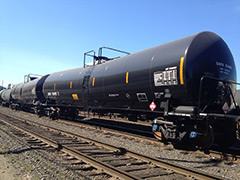
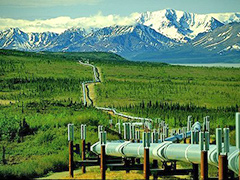
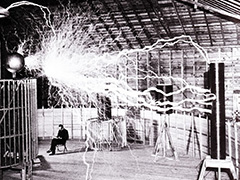
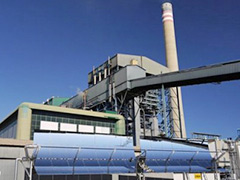
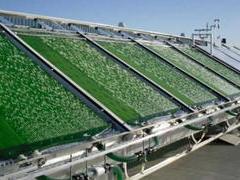
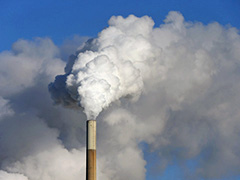
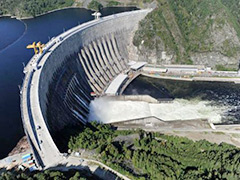
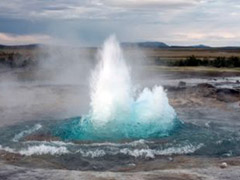
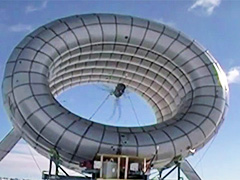
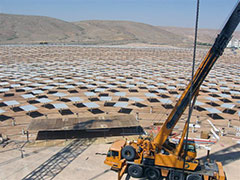
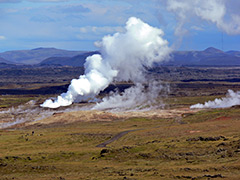
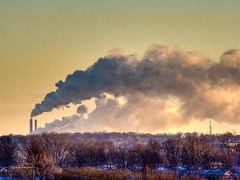
There are two types of sources of energy in the world: renewable energy sources and non-renewable energy sources. Renewable energy sources include solar energy, biomass energy, wind energy, tidal energy, hydro energy, and geothermal energy. Non-renewable energy sources include oil, coal, natural gas, and nuclear energy.
Renewable energy sources are generated directly from nature, like the sun, rain, wind, tides, and it is possible to generate it over and over whenever it is needed. Renewable energy sources are abundant and are definitely the cleanest energy sources in Earth. For instance, it is possible to utilize the energy we get from the sun in order to generate electricity. Geothermal, wind, tides,and biomass energy from plants can also be used in different forms.
Most energy that is used in the world today is generated from non-renewable energy sources. These energy sources can be re-generated over a short period of time. Natural gas and oil are derived from anicent plant or animal remains or fossils. These remains are what we have been left with after millions of years of fluctuation in pressure and temperature.
Continue reading »
This article follows on from our previous article on biodegradable plastics, because the issue is very important. According to certain analysts in the industry, every hour Americans dispose of two and a half million plastic bottles. The global plastic consumption is nearing 100 million tons per year. So, it has now become a pressing issue to find an alternative to plastic, which can be produced from renewable resources. One such alternative has already been invented, and it is called biodegradable plastics and biodegradable packaging for products. There are 7 main advantages to using biodegradable packaging and biodegradable bags:
Last year we wrote an article on the uses of geothermal energy. Here is an updated version of that article with additional information.
1. Aquaculture and horticulture: Geothermal renewable energy is used in aquaculture, and horticulture, in order to raise plants and marine life that require a tropical environment. The steam and heat is all supplied by geothermal energy.
2. Industry and agriculture: Geothermal power generation is playing an increasing role in industry and agriculture. Timber is dried using heat acquired from geothermal energy, and paper mills use it for all stages of processing. The potential uses of geothermal energy in industry are huge.
3. Food Processing: The earth naturally contains an endless supply of heat and steam, which can be utilized to sterilize equipment and rooms. This would put an end to the use of chemicals for this purpose. There are many potential uses of geothermal energy in food processing, but as yet, this renewable energy source has yet to be utilized to a large degree in this sector.
4. Providing heat for residential use: Geothermal renewable energy has in the last few years caught the interest of an increasing number of house owners. Geothermal power generation provides more than just heat in summer; but a complete temperature control system which enables you to cool your home in winter as well. This significantly reduces heating and cooling bills, and keeps the home at a comfortable temperature year round.
5. Electricity generation: A geothermal power station works in a very different way to the geothermal power generation that would be used in the examples above. It provides not just heat and steam, but electricity itself. Geothermal power generation is completely clean, and releases no harmful gas emissions whatsoever.
Many readers of this article will be most interested in single-home geothermal energy. As was explained, its use is limited to heating and cooling. However, indoor climate control can consume an enormous amount of energy in a big house, and by installing a geothermal heat pump this energy bill can be greatly reduced. Geothermal heat pumps move heat from below the ground into the home in winter and draw heat from your house into the ground in summer.
Most geothermal energy pumps are simple and require little maintenance. They are not, however, a full-service solution. Some systems reduce energy bills by up to 40%, so you cannot get rid of your utility company straight away. One option is to install a small solar panel system to run the pump, and in doing so make you completely self dependant. A geothermal energy pump which can supply an average home’s needs costs around $8,000, however, the drilling and installation process cost in the region of $30,000. For the original story, and further information on the uses of geothermal energy, click here
For more information, go to:
en.wikipedia.org,
geothermal-energy
Last year we wrote an article on the types of shares and shares classification. In this article we will expand on that and provide you with some additional information. There are numerous types of shares and shares classifications, and the aim of this article is just to bring you a few of the most common ones, so that the beginner to the world of stocks and shares can learn the basics of the subject.
Equity shares/common shares/ordinary shares. These shares are the most commonly traded shares, and they give you a vote in company matters. They earn a dividend as long as the company is earning money, and this dividend directly corresponds to the profit made by the company. High profits mean high dividends for you. Ordinary shares have no special rights or restrictions. Whilst they have the highest risk, they also have the potential to bring the biggest financial gains.
This article is an update to the article ‘Facts about offshore oil drilling in the US’ written on bionomic fuels last year.
When this article was written, offshore oil drilling in the US was grabbing the headlines as many people were talking about the US’s future energy policy, as well as fuel prices. Things have changed since then, though, and the BP oil spill is the now big talking point.
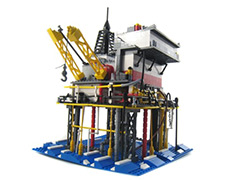
In offshore drilling, oil is extracted from beneath the ocean floor, anywhere from a couple of hundred meters to 250 miles off the coast. Nowadays, oil companies are forced to explore locations as deep as 2 kilometers beneath the ocean’s surface, as easily extractable sources of oil are dwindling.
Not too many people know that the first place that offshore drilling took place was in Azerbaijan, in the 19th century. Since then offshore rigs have been built all over the world. One of the highest concentrations of them is in the North Sea off the UK, although the output from these rigs has been dropping for many years. The Gulf of Mexico is another area dense in rigs, and there are over 4000 of them currently in operation there.
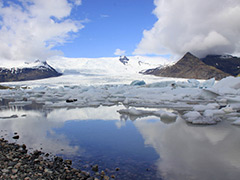
2010 is about to become one of the hottest recorded years around the globe. In the beginning 5 months of this year, the temperature of both the ocean surface and land was the warmest ever recorded, and it was 1.22 degrees F warmer than the average of the whole of the 20th century. In addition, the NSIDC – the National Snow and Ice Data Center – reported that the Arctic sea ice was melting extremely quickly this May, and 50 percent faster than the average recorded melting rate for May.
Oil production in the United States peaked in 1970, and since then industry analysts have been debating just how long global oil reserves will be able to meet the growing demand. Some analysts believe that global production is reaching its peak right now.
You can read about the facts and figures regarding global oil reserves in many articles such as this, but the truth is that no one really knows how much oil is left that can be feasibly extracted. OPEC producers keep it a big secret, as they don’t want to disclose how much oil they have found or think they will find.
Some people think that the world is rapidly reaching the point where the growth in new supplies of oil cannot keep up with the the pace of oil depletion. Officials in the oil industry agree that the days of major new finds of cheap oil in well explored countries such as the US are over. There is still plenty of oil, but it is getting ever harder to find. However, as oil extraction technology develops, many prospects that were not economically feasible to develop before are now being developed. In the future, there will be prospects that are not worth developing today that future technologies will be able to handle. For instance, horizontal drilling is a new technology that means new pockets of oil that were previously unaffordable can now be extracted.
The aviation is developing rapidly and going green. Check out these new innovations in the ‘green plane’ industry. This article follows on from our recent article, about green planes. To read this article, click here
Silverjet – the Eco-Stylish Green Airline
A new UK airline called Silverjet has the goal to be the international market leader in business class air travel that is eco-friendly. Silverjet’s green planes currently fly only from New York City to London, but they intend to expand. The company has joined together with Honda, Sky, CarbonNeutral, DHL, and Barclays to make sure that for each ton of CO2 that comes from their flight, there is one ton saved by means of various global climate friendly projects.