


Pros and Cons of Ethanol Production
Sunday,
Feb 19
Feb 19
Ethanol is inexpensive to produce and it keeps engines clean and healthy, with less knocking. Ethanol is environmentally friendly and the production of these biofuel types can greatly benefit local and rural economies. With ethanol used instead of gasoline, the American people will no longer have to worry about foreign leaders slowing down oil production to increase cost, and since these biofuels can be produced locally, there should be no significant transportation costs.
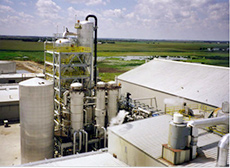
As of late, ethanol production has been in the news frequently, with some pointing out the pros while others are worrying about the cons. What are the pros and cons of ethanol production? First we must understand what ethanol is and how it is made. This biofuel can be made in different ways and there are different sources used to make it. There is corn ethanol and cellulosic ethanol, and there is a significant difference between the benefits and drawbacks of these two. Ethanol is a biofuel that is made from plant materials that are broken down during the production process into simple sugars and starches, which are fermented and processed into alcohol in a method similar to making whiskey or moonshine.
Corn ethanol is made from corn. With corn ethanol, greenhouse gas emissions are reduced by 13 percent compared to that of gasoline. Cellulosic ethanol is made from feedstocks like switchgrass, and with this type of ethanol, greenhouse gas emissions are reduced by 88 percent in comparison to gasoline. Obviously, cellulosic ethanol is a better choice than corn ethanol, but this biofuel will not be widely available on a commercial level for at least five to 10 years, according to researchers, because the technologies used to create it require further development.
On the other side of the ethanol discussion are the pros that these biofuels offer. Ethanol is an alternative energy source that is renewable because it comes from plant matter. Within six months, this energy source can be replaced when new crops are harvested. Ethanol can be used in combination with gasoline in regular gas engines and no modifications are needed when adding up to 10 percent ethanol. Slight modifications to a gasoline engine will allow ethanol to be used as 85 percent of the fuel combination compared to 10 percent. Ethanol will significantly reduce carbon emissions, particulates, other greenhouse gas emissions, and reduce air pollution. Ethanol could also be part of the solution to ending dependence on foreign oil and other fossil fuels for the United States because crops can be grown domestically.
Ethanol has many pros and cons, but when compared, these biomass energy fuels offer far more benefits than drawbacks. Ethanol may be one very important part of the solution when it comes to environmentally friendly renewable energy sources.
Related Posts
- Cellulose Ethanol: Will we be using it in our cars?
- What are biomass boilers?
- Biobutanol: Is this the biomass fuel we will be seeing at the gas stations?
- Biodiesel Tree Fungus - New Bio Fuel Source
- Pros and Cons of Methanol Fuel
Leave a Reply
You must be logged in to post a comment.

Top Popular Posts
Recent Posts
Recent Comments
Head Writer and Editor