


Hybrid Electric Cars: from Past to Future
Sunday,
Nov 30
Nov 30
Electric cars have come a long way since they were first invented in the early eighteen hundreds, and they may end up going even further in the future. Developing new technologies and methods for the storage of electricity may eventually lead to electric cars which far surpass what internal combustion engine cars today are capable off, without any of the negative effects of fossil fuel usage. Electricity is completely safe and environmentally friendly to use, and may be the answer to the energy and global warming crisis that is affecting the entire world today.
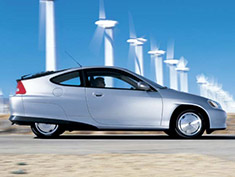
Electric cars and hybrid electric cars may very well be the car of the future. Advances in technology, and research using supercapacitators instead of batteries, will lead to more efficient ways to store electricity and ways to improve the distance an electric car can travel before it needs to be recharged. Electric cars of the future may well end up replacing the internal combustion engines of the present. With the global warming crisis and problems with air pollution and harmful greenhouse gas emissions, using fossil fuels may not be an option for many more years. Instead other energy options will be needed for vehicles to run. Electric cars have been around for over a hundred years in the past, and they may also be the perfect car for the future as well.
Electric cars have come from small vehicles which were very slow and only good for puttering around town to modern electric cars and hybrid electric cars which can go extremely fast and go much farther than before. The electric car of the future may make even bigger steps forward, and will prevent global warming and emissions that are full of carbon, sulfur, and other contaminants.
Related Posts
- Where to Get Automotive Alternative Fuels?
- Are clean burning fuel engines a possible reality?
- Switching to Alternative Fuel Vehicles: Can I Keep My Hummer?
- How to Go Green and Save Money with the Hybrid Car Tax Credit?
- Benefits of Hybrid Cars
3 Responses to “Hybrid Electric Cars: from Past to Future”
Leave a Reply
You must be logged in to post a comment.

Top Popular Posts
Recent Posts
Recent Comments
Head Writer and Editor

The information you posted about it is so useful, I am expecting for your next post.
September 1st, 2010 at 6:24 amHi there thanks for the quality post, i had a good read. 🙂
August 31st, 2010 at 10:34 pmI wasn’t aware of some of the material that you wrote about so I want to just say thank you.
August 23rd, 2010 at 4:35 am