


In the process of research into biomass fuels, we are finding a mixed bag of tricks. What are the benefits of corn ethanol and biodiesel made from soybeans? Does biomass fuels replace our dependency on fossil fuels or cause other problems?
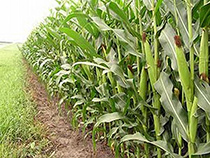
There are farmers in the U.S. that supply corn to factories that process ethanol. The process that makes ethanol out of corn is similar to that of making alcohol such as whiskey. The first step entails crushing the corn and adding water to it as it is crushed. This creates a mush. The mixture is then heated, and as this happens, certain enzymes are added and they help make sugar out of the starch contained in the corn. Then yeast is added, and the sugar in the corn mush is fermented. This process of fermentation is what makes the ethanol, which is a type of alcohol.
Biodiesel is the other main biofuel in the U.S., which is made using soybeans. The process of turning soybeans into biodiesel is called transesterification. This is a process where fat or vegetable oil is separated from the glycerin in the soybeans. So, in the end there are two final products – glycerin and biodiesel, with the latter being used as a renewable energy source. Biodiesel is biofuel that has a much cleaner burning capacity than gasoline, and it is possible to use it on its own or combine it with regular diesel fuel. There are many benefits to using biodiesel. Firstly, it is renewable, which is very important in our world today. It creates much less harmful emissions, and it can be domestically produced, which reduces the U.S. reliance on foreign resources.
Both corn ethanol and soybeans biodiesel could be very advantageous for the environment. They both significantly reduce greenhouse gas emissions, simply because both of these biofuels are created from crops that absorb CO2. Therefore, using these biofuels ensures that the CO2 balance in the atmosphere is maintained and sustained. A major advantage of biodiesel is that it can be used in any engine that is diesel generated. However, this is not exactly the case when using 100 percent ethanol, and it is always recommended to use it in combination with gasoline or another fossil fuel. Thus, ethanol may only be compatible with certain vehicles that are gasoline powered. However, this is of no concern, since almost all the U.S. produced ethanol can be mixed with gasoline.
In conclusion, biomass fuels are a great step to a cleaner environment and more efficient use of resources. They can also help reduce global warming, which is becoming a more pressing issue every day. Of course, ending dependence on foreign fuels is a very important advantage as well.
For more information, go to:
www.fueleconomy.gov,
en.wikipedia.org
Related Posts
- Ethanol and Void: How Ethanol Is Not the Solution
- Biodiesel Tree Fungus - New Bio Fuel Source
- Cellulosic Ethanol – Hope of Struggling US Ecomony?
- Cellulosic Ethanol: A Better Ethanol?
- Biodiesel Fuel - Clean Burning Fuel
5 Responses to “Corn Ethanol and Soybeans Biodiesel: Biomass fuels of today- updated article”
Leave a Reply
You must be logged in to post a comment.

Top Popular Posts
Recent Posts
Recent Comments
Head Writer and Editor

Hi, I was really amazed this morning as I saw your blog post in my feed reader. This is precisely what I was searching for, I even forwarded this to my pal. Later! Tom
September 5th, 2010 at 5:08 amGreat blog, I will add this blog to my favorites.
August 29th, 2010 at 3:24 amThose who know do not talk those who talk do not know.
August 19th, 2010 at 3:02 pmI’m happy to see the soybean oil market growing. We are seeing a lot of growth of Epoxidized soybean oil as a replacement plasticizer product.
October 6th, 2009 at 10:02 amWill same amount of biofuel release as much energy as the same amount of fossilfuel?
May 24th, 2009 at 1:00 pm