


Greenhouse Gases – Threat to World Ecosystems
Thursday,
Nov 27
Nov 27
Global warming is causing the glaciers and arctic ice cap that has been preserved for millions of years to melt faster, and this can affect many different ecosystems. The flow of colder water from the melting ice is flowing into the sea much faster, which can cool down the warm water flows that are necessary for tropical marine life. Tropical fish and animals may not be able to survive if the water temperature changes drastically, and marine life that can absorb carbon may do so increasingly and become threatened. The pristine lands and habitats that are around the melting ice can also be adversely affected.
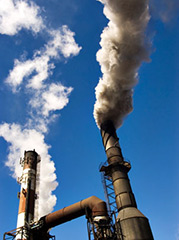
The ocean is one ecosystem that is being affected greatly by greenhouse gases. Tropical storms and hurricanes, as well as some other weather related events, depend on warm water to draw energy from. As global warming from greenhouse gases affects the world ecosystems the ocean is one of those affected. Warmer water means an increase in tropical storms and worse, both in frequency and in intensity. Hurricanes and tropical storms need warm water to draw energy from, and global arming is providing this. Look at Hurricane Katrina, one of the worst displays of the true fury of mother nature in America and one of the most devastating hurricanes to ever reach the US. In the last ten years, storms that are more powerful have been occurring more frequently, and if greenhouse gases continue to contribute to global warming it will only get worse because of the damage done to the world ecosystems.
It is crucial that we try and slow down or eliminate the emission of greenhouse gases, so that there is no longer a threat to the world ecosystems from them. This means lowering and stopping our dependence on fossil fuels, because these fuels are mostly responsible for the greenhouse gases that are damaging the world ecosystems. Using alternative and renewable fuel sources instead of fossil fuels is the way to prevent global warming from becoming worse. By controlling and reducing the greenhouse gases that are released, by reducing the use of fuels which contribute to these gases, we can help preserve the world ecosystems and prevent them from suffering even more damage. This can be done by using biofuels and alternative energy sources whenever possible instead of using fossil fuels. This will keep the world ecosystems in great shape and prevent the emissions of large amounts of greenhouse gases.
Related Posts
- The Drinking Water Scarcity Crisis
- Urine: A Viable Agricultural Fertilizer?
- Cross State EPA Pollution Rule Blocked: Everybody Loses
- The Water Crisis, Unlimited Energy, and China - The Three Way Link – Part 1
- Re-Print: Art with Newspaper
8 Responses to “Greenhouse Gases – Threat to World Ecosystems”
Leave a Reply
You must be logged in to post a comment.

Top Popular Posts
Recent Posts
Recent Comments
Head Writer and Editor

interesting post, pretty much covered it all for me, bookmarked.
September 10th, 2010 at 2:33 pmIt’s the first time I have heard that in Macedonia, obits are an unusual observe. You have wonderfully written the post. I have liked your way of writing this. Thanks for sharing this.
September 6th, 2010 at 1:26 pmI can’t but agree.I always wanted to write in my site something like that but I guess you’r faster.
September 3rd, 2010 at 6:39 amPretty good post. I just stumbled upon your blog and wanted to say that I have really enjoyed reading your blog posts. Any way I’ll be subscribing to your feed and I hope you post again soon.
September 2nd, 2010 at 11:08 pmSearching for this for some time now – i guess luck is more advanced than search engines 🙂
September 1st, 2010 at 9:25 pm[…] warming is caused by greenhouse gases in the atmosphere that trap radiation from the sun and keep it from being released back into space. […]
August 17th, 2010 at 12:32 pmgreenhouses are killing our worlds enviorment and animals are dieing from no plants.
February 25th, 2009 at 4:24 pmWe as a people really need to find a way to reduce these emissions and do it soon. The more we ruin the ecosystems, the worse it will be for the human race.
January 21st, 2009 at 11:00 pm