


Cost and return on investment of Biomass Feedstock Energy
Tuesday,
Jan 27
Jan 27
Any profits made from byproducts of the biomass conversion process can be used to help offset the total cost of biomass feedstocks energy. Steam is generated that can be sold or used to lower operating costs, biogas and syngas can be either sold or turned into other profitable byproducts, or used in the operation of the facility as well. As biomass conversion technology advances even further, the total costs for biomass feedstocks energy will be reduced even more, making it more competitive. There are several ways that these costs can be reduced, so that biomass generation is used more frequently to generate needed energy.
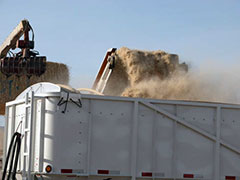
Biomass conversion has been advertised as the answer to all the environmental and energy needs of the world, but what is the true cost of biomass feedstock energy? The cost of the biomass generation of energy or biofuels can vary depending on all of the many different factors involved. The processes used to generate the energy from biomass will affect the cost, because some processes require more external energy while others, like gasification, do not require an external heat source and are self sustaining thermally.
Power plants that use biomass to generate energy and fuel may face higher feedstock costs, because of a shortage of forestry and agriculture wastes. Locating these plants close to abundant sources of biomass can help reduce these costs. The system design of the facilities will also affect the total cost of the energy. Some biomass conversion energy plants have a cost of between five to six cents for each kilowatt hour, on average. By comparison, using natural gas to generate energy or power costs an average of two to three cents for each kilowatt hour generated. Coal can create a megawatt hour of power for forty eight dollars on average, and nuclear power can generate one megawatt hour for thirty five dollars. This means that the biomass generation of power is not as cost effective as many other sources, when only the financial cost is considered. Ethanol can be produced for an average of one dollar and ten cents a gallon, compared to gasoline that can be as high as three or four dollars at times. Biodiesel can be generated for as little as an average of one dollar or less per gallon, compared to traditional diesel which is still around three dollars a gallon.
Biomass feedstock energy can be made cost competitive with fossil fuels like gasoline, diesel, oil, natural gas and coal. Using biomass feedstocks like rapeseed oil and used fryer oil can help lower the cost of biomass conversion, and so can the location and an efficient design of the facilities. This will bring the cost of biomass feedstocks energy down to a level which is competitive with other energy sources. When the environmental benefits are added in, biomass waste to energy and fuel is a good idea, but the financial costs need to be lowered before this form of energy becomes widespread.
Related Posts
- Biomass Gasification Technologies: knowing the differences for each feedstock types
- What is Crude Oil?
- Biomass Energy Sources for Alternative Electricity Production
- Wood Pellet Furnace as Alternative to Central Heating
- Biomass Energy: Pros and Cons
You Can Use This Form to Leave Your Feedback or Ask Additional Question
You must be logged in to post a comment.

Top Popular Posts
Recent Posts
Recent Comments
Head Writer and Editor