


Algaculture: The new farming wave of Algae; updated article
Monday,
Feb 13
Feb 13
New ventures into algaculture are finding more incredible benefits beyond the production of biodiesel fuel. While this is another excellent alternative energy, there are some excellent positive effects for both us and Mother Earth.
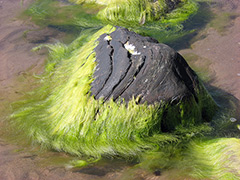
Another one of the important benefits of algaculture is that algae releases oxygen and uses carbon dioxide, like other plant life. So, this means that algaculture that is large-scale would not only create environmentally friendly biofuels, but also that while the algae grows, it would release fresh oxygen and absorb carbon dioxide, thus cleaning the air. Generally about 77 percent of the whole mass of algae may be used in animal feeds, with 13 percent used for oil converted into biodiesel, and the 10 percent that remains used in food supplements as fatty acids.
The theoretical benefits of algae farming are clear. It can grow in open ponds or in sealed clear tubes. It has the potential to produce a lot more oil than soybeans (per acre), which is also a source of oil for biodiesel. It is also possible for algae to clean up waste by processing carbon dioxide from plants and nitrogen from wastewater. Another one of the great benefits of algaculture is that algae can be grown on marginal lands, which is unsuitable for regular crops, salt aquifers can be used as its sources of water, which cannot be used for agriculture or drinking.
Three things are necessary to grow algae: sunlight, carbon dioxide, and water. Algae, like other plant life, goes through a process called photosynthesis, converting the sun’s energy into chemical energy. This resulting energy is used for chemical reactions like sugar formation or converting nitrogen into amino acids. Of course, algal oil is used to produce biodiesel, which, if done on a large-scale basis, has the potential to completely replace gasoline. However, the technology is not nearly advanced enough yet, and algaculture is still at a minimal level. It is developing quickly though, and will be doing so in the upcoming years, since there is a need like never before for renewable energy sources.
For more information on algae farming, go to:
en.wikipedia.org/wiki/Algaculture,
en.wikipedia.org/wiki/Algae_fuel
Related Posts
- Health Effects of Biomass Fuel
- What are the disadvantages of Biomass Energy
- 7 Reasons Why Future of World Economy Depends on Renewable Energy - Updated Article – With Focus on Benefits For The US Economy
- The Expansion of Bioenergy in Malaysia
- The Ethanol Quota
11 Responses to “Algaculture: The new farming wave of Algae; updated article”
Leave a Reply
You must be logged in to post a comment.

Top Popular Posts
Recent Posts
Recent Comments
Head Writer and Editor

So true! Preach.
September 6th, 2010 at 1:29 amWow! I really enjoyed this blog. You give me many good information, thank you!
September 5th, 2010 at 9:14 amPerfect indeed!
September 1st, 2010 at 2:11 amWonderful, that’s precisely what I was scanning for! You just saved me alot of digging around
August 27th, 2010 at 4:06 pmI’m really loving the blog, and hope this, as well as the excellent article some other people have written, will help somebody
August 25th, 2010 at 6:15 amI just book marked your blog on Digg and StumbleUpon.I enjoy reading your commentaries. Andrew
August 23rd, 2010 at 2:26 amRather cool site you’ve got here. Thanx for it. I like such themes and anything connected to this matter. I definitely want to read more soon. Best regards Alexander
August 19th, 2010 at 9:24 amThis blog is great I learned a lot thanks!
August 18th, 2010 at 5:07 pmA actually beneficial submit by you my close friend. We have bookmarked this web page and can occur back again following several days to verify for almost any new posts that you just make.
August 7th, 2010 at 12:25 pmThank you for this very informative article, I wish you much success in all you do. Anthony
July 28th, 2010 at 11:26 amI have been reading plenty on this site about algae being the new fuel crop. It’s a great concept but can it produce the BTUs like fossil fuels?
February 15th, 2009 at 6:02 pm