Archive for the 'Non Renewable Energy Sources' Category

Coal Mining in the Past
  • Coal mining in the past was not as environmentally friendly, or regulated
  • There were a number of different coal mining methods used in the past
  • Coal mining in the past was not as safe as the current mining methods used
 Continue Reading »
Nuclear Energy Benefits
  • Nuclear energy benefits may seem like a step towards a better energy future but they are not in reality
  • Radioactive waste can carry risks for centuries or longer, and using……
 Continue Reading »
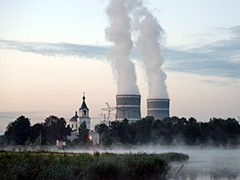
Nuclear Power Plants
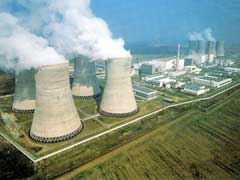
Nuclear power plants invite the question of whether or not we can live without them, but the real question should be whether we can live with nuclear energy. Nuclear power generation poses a number of dangers, not just to the earth but to the… Continue Reading »
Petroleum Engineers
How petroleum engineers locate new oil fields? Petroleum engineers have a college education, and they have taken classes in math, geology, physics, chemistry, all aspects of engineering, and other essential areas. These engineers are used to evaluate the potential of an area to contain underground reserves of oil and natural gases. Petroleum engineers are also responsible for all the drilling methods and activities performed, the type of recovery that is used to recover the fossil fuels, and are usually the ones who design any treatment or collection facilities that are needed to receive, store, process, and treat any fossil fuels recovered. Super computers and advances in computer technology are also used by petroleum engineers, to analyze any data and run simulations to try and predict the behaviors of any underground fossil fuel reservoirs.  Continue Reading »
What Is Crude Oil
What is crude oil? Crude oil is oil in a state that has not been processed at all, and is in the same condition it was when it was recovered or bubbled up out of the ground. Crude oil occurs naturally in many types of rock formations underground, and is the result of thousands or millions of years of effort in the earth normally. Crude oil forms from plants and animals that died millions of years in the past, and the decaying process has resulted in the formation of crude oil. This oil can be any color and any thickness, and they range from a clear liquid that is almost like water to a thick black substance that is almost as thick as tar.  Continue Reading »
Surface Mining

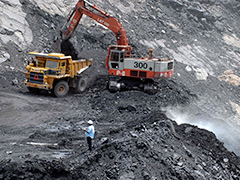
The coal mining industry has come a long way in 200 years, since the coal mining industry really took off. During the Industrial Revolution, energy demand grew substantially, and coal was in needed in large amounts. At first, all mining was very dangerous work. It involved underground mines where men worked long hours removing coal by hand from deep within the earth. Mining accidents were frequent, and many men died getting trapped underground because of walls caving in or a buildup of gas in the mines. Coal was needed for heat, or to produce energy in the form of steam, which was then used to power various machines, trains, boats, etc.

Coal mining today is much different. There is still significant underground mining, but some of the mining performed in the United States today is surface mining, which does not involve digging deep mines into the earth. Surface mining involves removing coal from under the surface layer of earth. This can be done if the coal is no more than 200 feet beneath the surface. If the coal is buried any deeper, however, underground mining must be performed to recover the coal.  Continue Reading »

Pros and Cons of Nuclear Power

What are the benefits and disadvantages of nuclear power? Nuclear power is very controversial, with many environmentalists against this energy source, while others are for it. This source of power has many advantages and disadvantages, and understanding these can help anyone make an informed decision concerning nuclear power. Many politicians believe that nuclear power is the answer to global warming, but they conveniently forget the disadvantages and risks that this power source can represent.

The benefits of nuclear power can not be disputed. Generating nuclear power creates greatly lowered carbon dioxide emissions, so this power source does not contribute to global warming in large amounts. One nuclear power plant can generate a substantial amount of power, making it very efficient. Another advantage to nuclear power is that the technology has already been developed. Nuclear energy is reliable, and there are no worries about weather conditions for the generation of power. Nuclear power is generated using Uranium, which is much easier to get due to the fact that at least thirty five percent of the Uranium in the world is located in politically stable areas, like Canada and Australia.  Continue Reading »

Fossil Fuels Reserves

Energy drives our daily lives. Most of the energy that is produced today is generated from fossil fuels. The demand for energy is increasing every day. There are two key reasons for that: first, the population of the earth is growing at an ever-increasing rate and second, societies worldwide are becoming more and more industrialized. While energy demand is growing, fossil fuel reserves are being depleted. In about 50 years we will have depleted most of our fossil fuel reserves, so it is necessary to find alternative sources of energy before that happens.

Fossils fuels were formed many millions of years ago. They are the remains of plants and other creatures that once lived. Pressure and heat applied to those remains over the period of millions of years produced the most essential sources of energy that we use today: coal, gas and oil.

Coal is used for producing electricity and heat. Coal is a combustible rock that releases energy when it is burned. Approximately 6.2 billion tons of coal is consumed each year. The largest portion - about 75 percent - is used for electricity production. The United States uses about 1.05 million tons of coal each year. China generates 68.7 percent of its electricity from coal energy. Natural gas is used for electricity production as well and it doesn't produce as many harmful byproducts as other fossil fuels. The release of carbon dioxide (CO2) is also considerably less when natural gas is used instead of coal or oil. The burning of natural gas produces 30 to 45 percent less CO2 than coal and oil respectively.  Continue Reading »

Types of Fossil Fuels

Fossil fuels come from organic remains that have been exposed to extreme pressure and heat over the course of millions and millions of years. Fossil fuels are non-renewable energy sources, which means that we have a limited supply of them on Earth and we may soon run out. There are three main types of fossil fuels: coal, natural gas and oil.

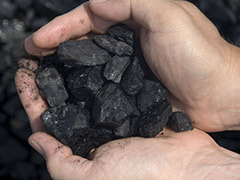
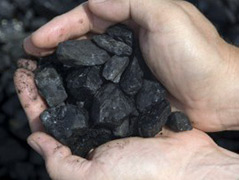
Coal is a black or brownish-black combustible rock. Unlike oil, it is ready for use immediately after it is excavated from the mine and does not require any refining. Coal is mainly made of carbon and hydrogen. Coal is a primary energy source for electricity in the world and it encompasses around 50 percent of the total electricity demand. About 1.87 billion tons of coal is burned in the world every year for electricity production. When the coal is burned in power plants it generates heat. The heat evaporates from water, creating steam. Expanding steam increases pressure in the boiler and moves the turbine that is connected to the generator, which produces electricity. This way the heat energy of the coal is converted to electrical energy. Continue Reading »

Fossil Fuels

Gasoline, a fossil fuel, is what powers the engine in your car, and as such, has become an essential part of life. Of course we buy it at gas stations without thinking twice, but before we can buy it there, it had to be produced and delivered. So what is it about fossil fuels? An issue is that fossil fuels are nonrenewable energy sources. Every year the world's demand for this energy source increases, leaving more and more of this energy source depleted. Although this has been an issue for many decades, the danger of an energy deficiency is unlikely to be solved anytime soon.

Fossil fuels come from beneath the Earth's surface in the form of ancient plant an animal remains, or fossils, having taken millions of years to form. This includes coal, gas and oil. The Carboniferous Period (approximately 354 to 290 million years ago) is considered to be the age when most of the fossils we use today as energy sources were formed.

Scientists don't know exactly how the formation process took place, but they do know that pressure and heat, combined with a very long period of time were the main factors of fossil fuel formation. Continue Reading »