


All the types of fossil fuels we love to hate (but use anyway)
Wednesday,
Nov 05
Nov 05
Gas is lighter than air and is extremely flammable and usually it doesn't have any odor. Gas tends to mix easily with chemicals that have a noticeable smell, something similar to the odor of rotten eggs. If you notice a rotten egg smell, it may be a signal that there is a gas leak in or around your house. In this case, you should take immediate action to check it out and possibly prevent a gas explosion.
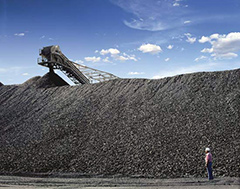
Coal is a black or brownish-black combustible rock. Unlike oil, it is ready for use immediately after it is excavated from the mine and does not require any refining. Coal is mainly made of carbon and hydrogen. Coal is a primary energy source for electricity in the world and it encompasses around 50 percent of the total electricity demand. About 1.87 billion tons of coal is burned in the world every year for electricity production. When the coal is burned in power plants it generates heat. The heat evaporates from water, creating steam. Expanding steam increases pressure in the boiler and moves the turbine that is connected to the generator, which produces electricity. This way the heat energy of the coal is converted to electrical energy.
Some experts believe that carbon dioxide emissions related to the utilization of coal are helping facilitate global warming. The level of carbon dioxide emissions per ton of burned coal is slightly higher than that of petroleum and it is twice as high as that of natural gas. So, when coal is burned, it produces more carbon dioxide than any other fossil fuel.
Natural gas consists mostly of methane, with some propane, butane, ethane and pentane. Other ingredients such as carbon dioxide, nitrogen, helium and hydrogen sulfide are mostly removed before it is distributed as a product to consumers. Natural gas is measured in cubic meters. The ancient Persians would have "eternal fires," which were ignited by the very first discovered gas seeps.
Oil is also formed from the decomposed remains of ancient plants and animals. It is a liquid mixture of varying hydrocarbons. Usually, oil is refined before it is used. Raw or "crude" oil cannot be used in its natural form. It must be broken down into fractions and stored separately. Oil is used in many spheres as it has hydrocarbons of varying molecular masses. The very first oil refineries were installed by Ignacy ?ukasiewicz (Poland) in 1854. At first they had very few clients, as the demand for refined oil wasn't high at the time. Later, they gained popularity because of the invention of the kerosene lamp. Common products made from oil are petroleum, diesel, naphtha, fuel oils, asphalt, tar and many others.
Related Posts
- The Future of Fossil Fuels - Is it Boom or Bust?
- Canada’s Northern Gateway Oil Pipeline Meets Federal Approval
- 7 Unknown Reasons Why Nuclear Power Is Bad - Part 2
- Pros and Cons of Nuclear Power
- Coal Companies Bully University to Destroy Conservation Artwork
4 Responses to “All the types of fossil fuels we love to hate (but use anyway)”
Leave a Reply
You must be logged in to post a comment.

Top Popular Posts
Recent Posts
Recent Comments
Head Writer and Editor

Wow! what an idea ! What a concept ! Beautiful .. Amazing … 🙂
September 12th, 2010 at 10:19 amhey there, this might be little offtopic, but i am hosting my site on hostgator and they will suspend my hosting in 4days, so i would like to ask you which hosting do you use or recommend?
September 6th, 2010 at 10:53 amI am so glad that I discovered this blog as it is rather informative and has helped me out with my research a great bit. I’ve bookmarked it and plan to return again to read some more later.
August 23rd, 2010 at 3:15 pmthis dosen’t tell about the different types of fossil fuels at all. get better informatiom
March 3rd, 2009 at 10:35 am